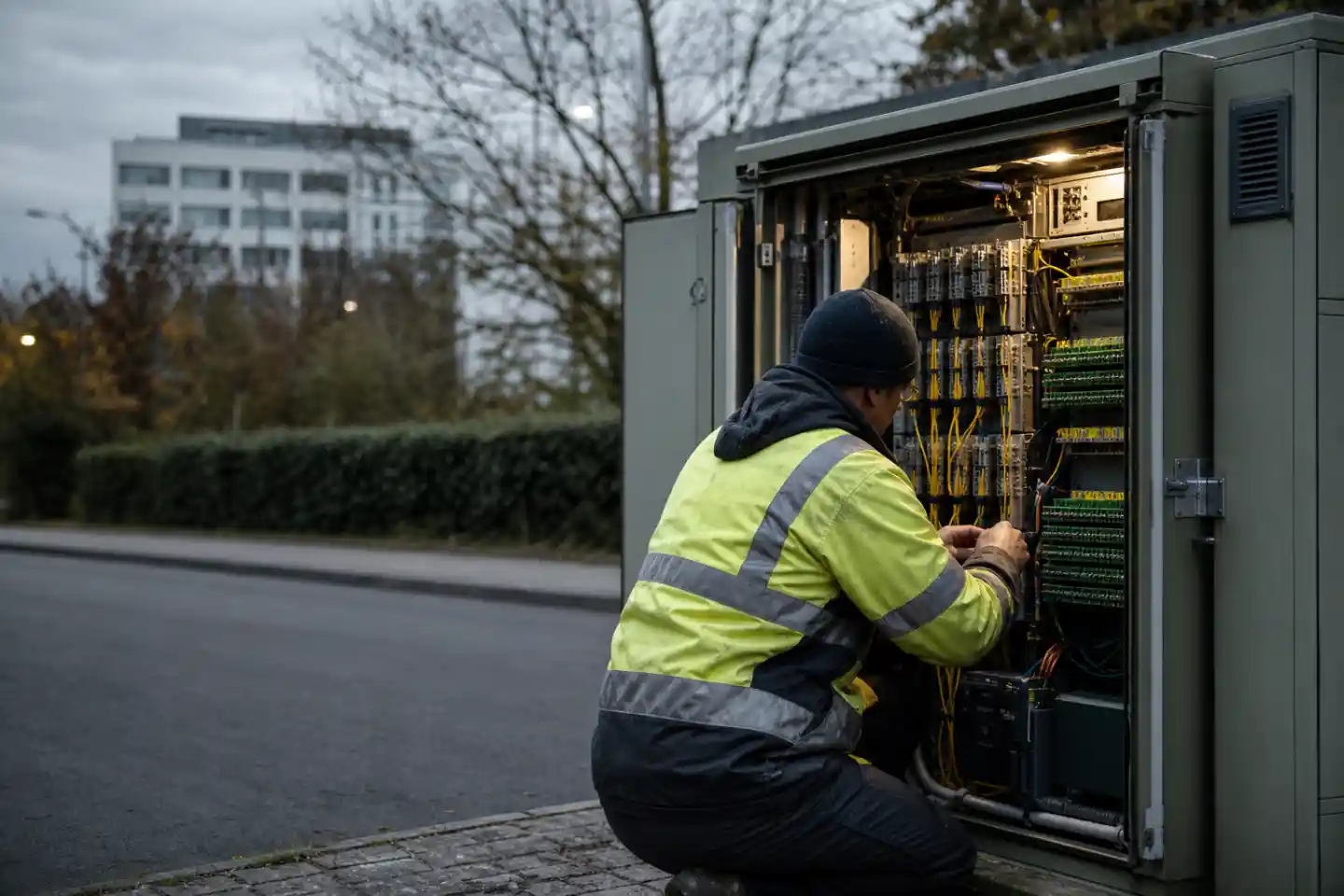
An outage at 07:12, a bill that does not add up, an engineer visit that needs moving. Vera identifies the reason for contact, uses the context available in connected systems, handles the permitted routine step and sends exceptions to the right person with the full conversation attached.
Illustrative Vera operations report for a telecom service incident
VeraAPP
#service-operations
Contacts are arriving around the same service incident. I grouped the repeated questions, answered from the confirmed status and separated the cases that need a person.
Confirmed service update prepared for affected customers
Fault details and completed checks added to the case
Priority and safety-related contacts routed to specialists
Updates after the confirmed status
Trusted by
Four reasons queues grow
The queue is the symptom. Fragmented work is the cause.
The same customer context is repeatedly rebuilt between service status, billing, contract changes and field work. Vera keeps the case together and works only from information the connected systems expose.
Service interruption
One incident, thousands of repeated questions
Customers call before a clear update has reached every channel. Each one asks whether the problem is known, what applies to their address and what happens next.
Vera matches the account or address to the available status, shares only confirmed information, gathers the required details and records the contact.
Your team skips:Repeating the same outage update
Bill and usage
Explain the bill before it becomes a complaint
A changed amount, data or minute usage, roaming or an add-on can turn a simple question into a dispute when the explanation lives across several screens.
Vera organises the available bill items and usage details, gathers the dispute context and prepares the case for the permitted resolution or handover.
Your team skips:Opening three billing screens
Plan or tariff change
A change without another transfer
Customers repeat the same need between sales, billing and service teams while each person rebuilds the account context from the beginning.
Vera gathers the need, checks the options exposed by connected sources and prepares the next permitted step or approval. She says when the answer is uncertain.
Your team skips:Re-entering the same customer data
Engineer or field visit
The visit that stays on track
Missing access notes, a changed appointment or an inconsistent status creates another call before the field team even arrives.
Vera collects the complete details, uses the available appointment information and prepares the booking, change or handover under the configured workflow.
Your team skips:The missed-visit chase
Every way a customer reaches you
Five entrances.One case history.
Customers choose the channel that is easiest in the moment. Vera keeps the reason, context and permitted next step together. Safety and priority cases stay human on purpose.
Phone
The queue does not have to start with hold music
Vera understands the reason for the call, gathers the required details and hands over with the context already attached.
Vera answers
Web or app chat
Self-service with a clear way out
The answer and next step stay in one thread, with a direct route to a person when the case stops being routine.
Vera answers
Email or form
A long story becomes a complete case
A free-form description is organised into a reason, the available customer details, priority and the next permitted action.
Vera answers
SMS or messaging
Updates in the thread the customer checks
When the channel is connected, confirmations and service updates return to the conversation the customer already opened.
Vera answers
Emergency or priority line
This stays human
Safety signals, accessibility needs and vulnerable-customer cases are routed immediately under the operator's own rules.
Always human
The same incident, two operators
Tuesday 07:12,and the first hour.
This illustrative scenario follows one customer during a known area incident. The difference is not the incident itself, but whether the answer, context and next update stay together from the first contact.
Illustrative comparison of the same service incident handled with Vera and without Vera
One service interruption begins
A customer loses service during a known area incident and contacts two operators. Both receive the same account details and the same question.
With Vera
Useful answer:first contact
Context recorded:automatically
First contact
Contact understood
The account and address are matched to the available incident status.
Same thread
Confirmed answer
The customer receives the confirmed status and a safe next step.
Status update
Status changed
The next update is prepared or sent within the configured permissions.
After restoration
Case closed
The outcome is recorded and any exception remains visible to the team.
On your own
Useful answer:after transfer
Customer repeats:more than once
First contact
Queue joined
The contact waits for the first person who can classify the issue.
After transfer
Story repeated
The customer gives the account details and describes the incident again.
Later
Customer returns
With no consistent update in the original thread, another contact begins.
Customers do not speak in ticket codes
Built for callers whosay router, device andtariff names at speed
Our own speech models can be tuned to the vocabulary these calls contain: router, device, tariff and service names and the way customers say them in a hurry.
Illustrative call between a broadband customer and Vera about a remaining fibre fault after an area incident
Illustrative call
Caller
The fibre came back after the area incident, but the LOS light is still red.
Vera
The known incident is marked as finished. Your connection still needs a separate check, so I will guide you through the steps permitted for this service before preparing a fault report.
Caller
The light is still red after those checks. I work from home and need a visit.
Vera
I have prepared the fault details. The connected system shows an available appointment tomorrow from 08:00 to 10:00. I can move it to the confirmation step required by your operator.
Fault details collected
Next step prepared
Case recorded
Our own speech models
Moonlight ASR is ours, not licensed. We tune it to router, device, tariff and service names and the accents your customers use.
Live context, not a static script
Vera uses only the current customer context and confirmed status exposed by connected tools, and says when the answer is uncertain.
Sensitive cases go straight to a person
Safety, accessibility, vulnerable-customer signals and uncertainty end the automated flow and carry the gathered context to the right team.
She works across the service stack you already run.
Your connected systems remain the source of truth. Vera uses only the customer context and confirmed status they expose, then records the outcome under the permissions configured for the workflow.
Microsoft Teams
Slack
Gmail
HubSpot
Salesforce
Google Drive
Notion
Microsoft Copilot
Zoom
Google Meet
Asana
Straight answers
What service leadersask first
Five questions telecom teams ask before connecting Vera to customer-service workflows.
Will Vera invent an outage restoration time?
No. Vera only uses the status available in an approved source. If a restoration time is missing or uncertain, she says so and routes the case instead of making a promise.
Can Vera change a tariff, contract or bill?
Only actions permitted by the configured workflow can be completed. Everything else is prepared for review or routed to an authorised person with the collected context.
How is the customer verified and their data protected?
The identity checks, data scope, permissions and retention policy are defined during rollout. Vera respects the connected systems' access rules and her actions remain traceable.
What happens in an emergency or with a vulnerable customer?
The operator's rules trigger an immediate human handover with the context already gathered. Vera does not continue an autonomous safety-critical flow.
How quickly can Vera connect to our service systems?
It depends on the scope, available interfaces and permitted actions. We first map the approved data sources, system of record and handover rules, then agree the rollout plan.
Same Vera
A different day in every industry.
Financial Services
Every conversation on the record
Documented, controlled and searchable, with the paperwork drafted from what was actually said, not from what somebody remembered to type afterwards.